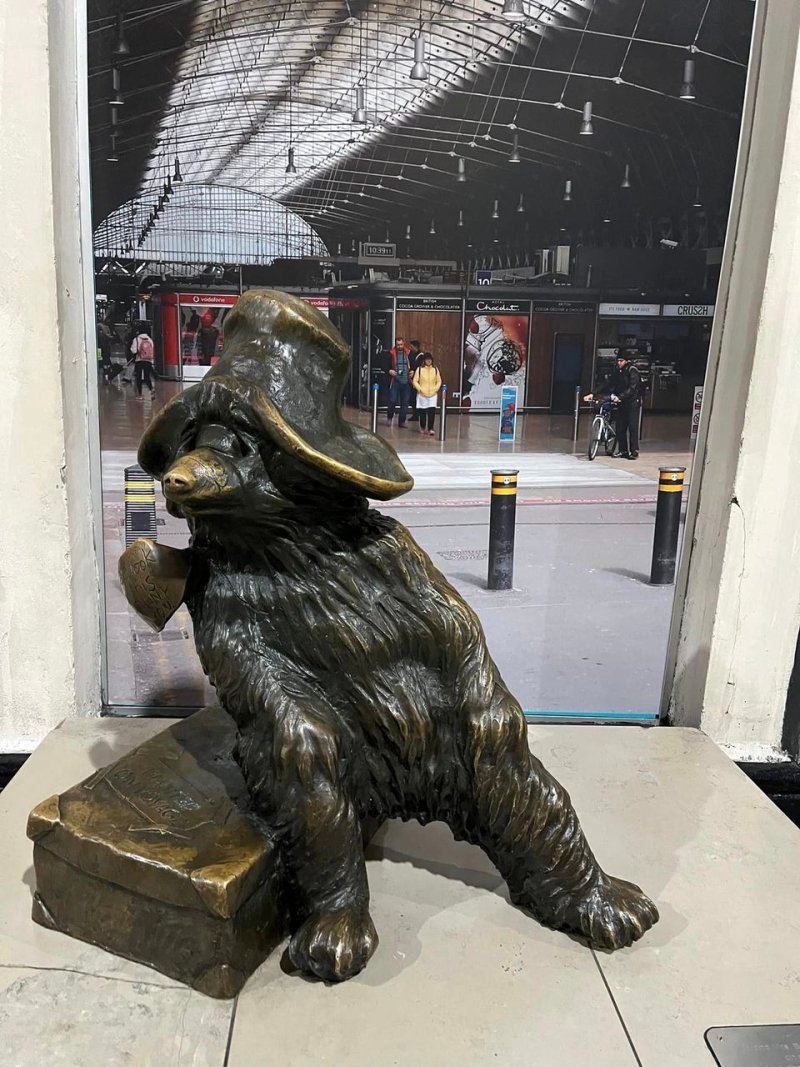
During my September visit to my childhood home in the deepest, darkest East Anglian Fens, we talked about the Paddington Bear collection that my parents sold for peanuts a decade or so ago during an extremely ardent and efficient streamlining of their household possessions. After raising four kids there was a lot of stuff in the attic, besides a certain likeness of a famous stuffed bear or two. And seeing as my parents had no appetite to downsize their beloved house, it was the mountain of old treasures that they tackled over a period of a year or so.
Since the late Queen's cameo appearance over tea with Paddington Bear, his popularity has soared, reaching new generations of children with his delightful appeal and reminding those of us who are old enough to have loved him first, just how deeply this furry fella dug himself into our national heritage and hearts. That said, we all agreed that maybe the Paddington Bear collection should have stayed on up there in the attic after all.
Fast forward a couple of weeks and Paddington Station featured at the tail end of my trip. Not just as a dash-in and out on the train type of thing, but for a few glorious October days of dashing around the capital city reuniting with old friends and a few more fun outings and meals with precious family in the London area.
When I posted photos from my early-morning walk to the Heathrow Express to return home to California, my dear friend, Yolanda, one of the first I met in the States back in the early 90s, wrote from her husband's mother's native Peru that the "golden" spectacled bear, which bears a striking resemblance to Paddington Bear, hence his heritage, is sadly listed as vulnerable on the IUCN red list, largely due to deforestation and human activity.
A recent study from Peru does share a bit of good news: there may be more spectacled bears in the country than previously thought. The spectacled bear is elusive and not much is known about its ecology, making it difficult to strategize how to protect the endangered species.
More alarming however, is that according to National Geographic, Spectacled Bears, also called Andean bears, are killed illegally in Peru for their private body parts, used for cures dispensed by traditional healers, or shamans.
Learning this makes me ever more protective of Paddington. How much do we know about his history?
The creator of Paddington, Michael Bond, worked as a BBC cameraman on several national children’s programs, including Blue Peter. On Christmas Eve 1956, he was walking home past Selfridges, the famous London department store, when he noticed a small toy bear on a shelf that appeared a little lonely and unloved.
"I felt sorry for it. I took it home as a present for my wife Brenda and named it Paddington as we were living near Paddington Station at the time. I wrote some stories about the bear, more for fun than with the idea of having them published. After ten days I found that I had a book on my hands. It wasn’t written specifically for children, but I think I put into it the kind of things I liked reading about when I was young" _ excerpt from Traveling & Living in Peru site.
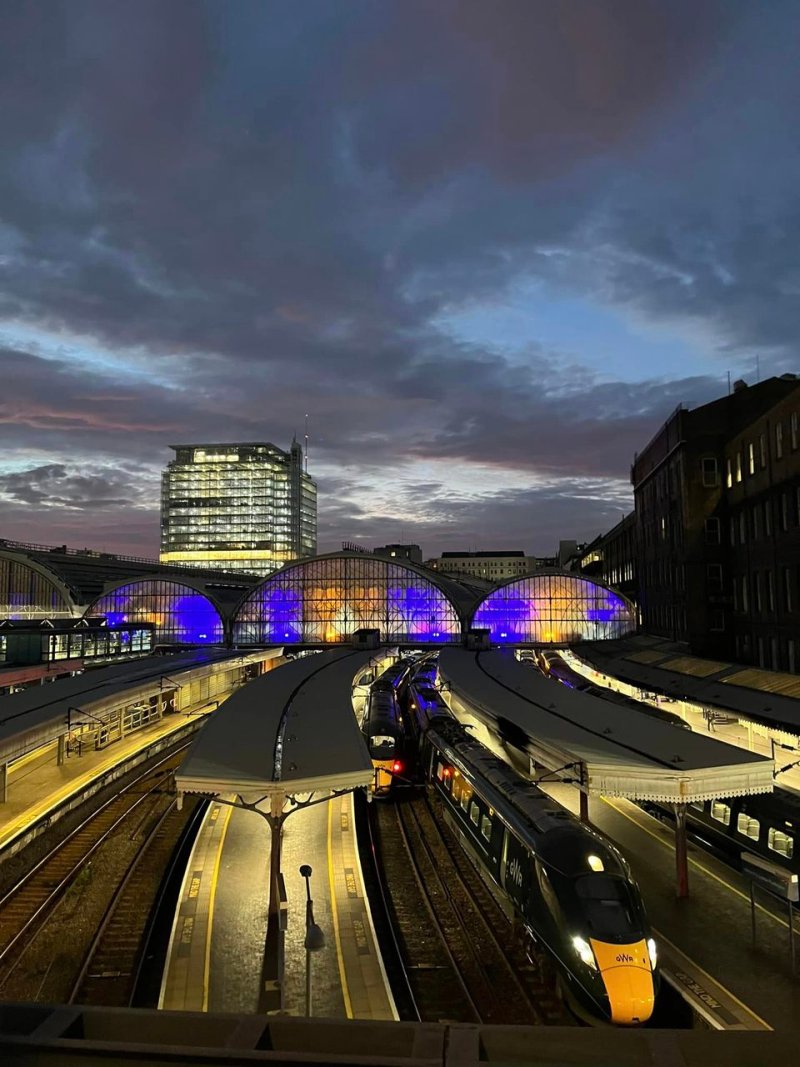
Michael Bond wrote the first Paddington book in 10 days in the spring of 1957 on a typewriter in a small flat off Portobello Road. The book is set in the then- shabby world around Paddington and Notting Hill. And the bear himself was crafted out of Michael's memories of evacuee children during the Second World War, luggage-labeled against loss in transit.
Paddington’s friend, Mr. Gruber, was based on Hungarian refugees Bond had worked with at the BBC’s monitoring service, attaché cases packed with tragic pasts and carefully learned English.
Mr. Brown, a London risk analyst, found the new member of his family at Paddington Station sitting on a suitcase with a note attached to his coat which read, ‘Please look after this bear. Thank you.’ Which he did.
It was Paddington's uncle, forced into a retirement home in Lima after an earthquake, who gave him his hat and his Aunt Lucy who taught him fluent English and decided he should go to England to make a name for himself.
Aunt Lucy mades him a pile of marmalade sandwiches because, as Paddington says, bears like sandwiches.
Seven publishers rejected the book, but Collins eventually picked it up and paid Michael Bond £75. Since then, the books have been translated into 30 languages – including Latin – across 70 titles and have sold more than 30 million copies worldwide. Two successful films have followed and a third is in the pipeline.
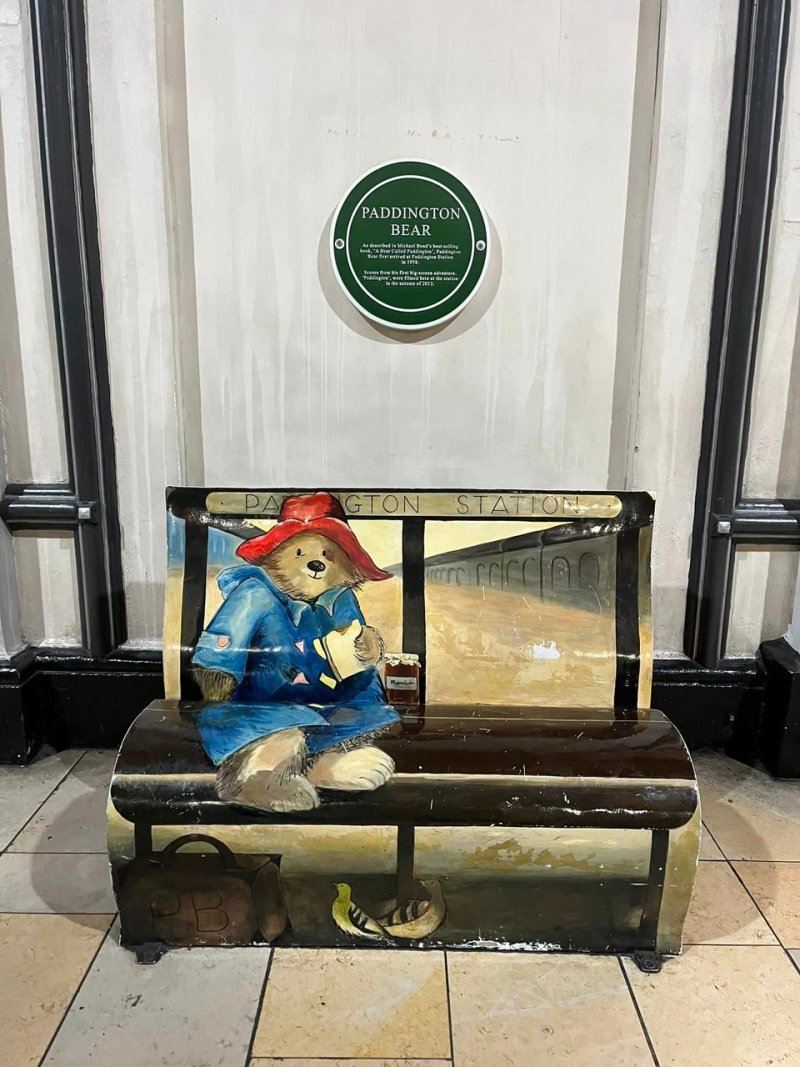
Statues to Michael Bond's Paddington greet passengers as they flood through the station, one of the major transport hubs in the UK. Paddington Bear stores have resurfaced in Train and Tube Stations and around the city, providing tourists with a souvenir like no other.
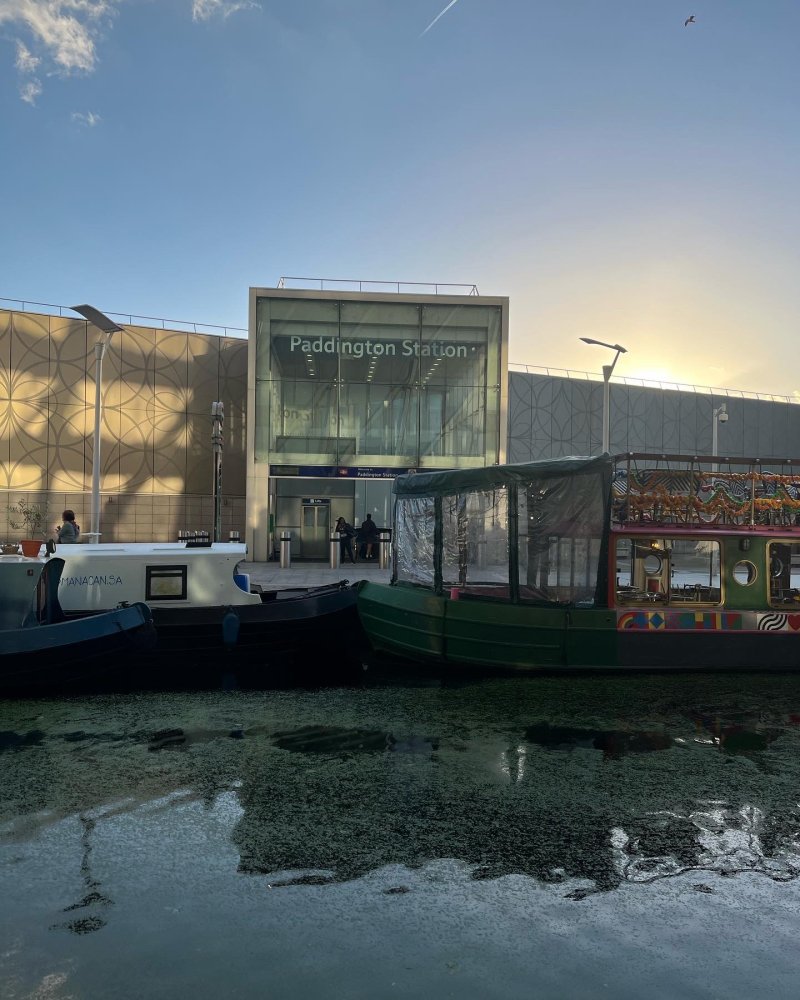
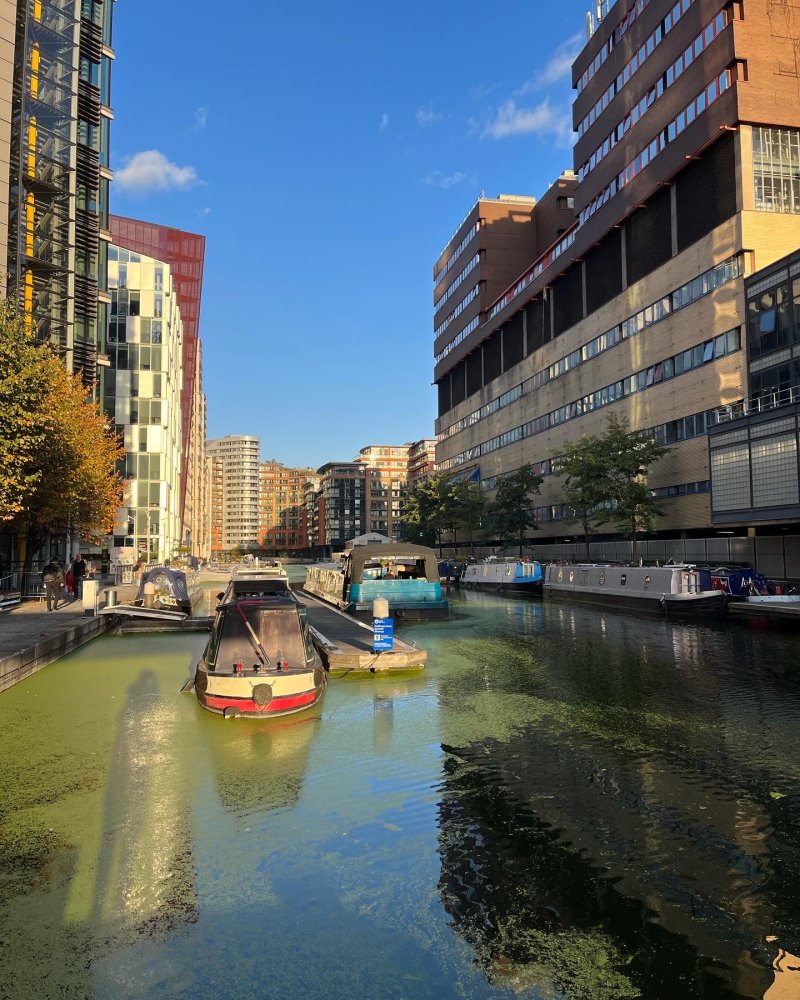
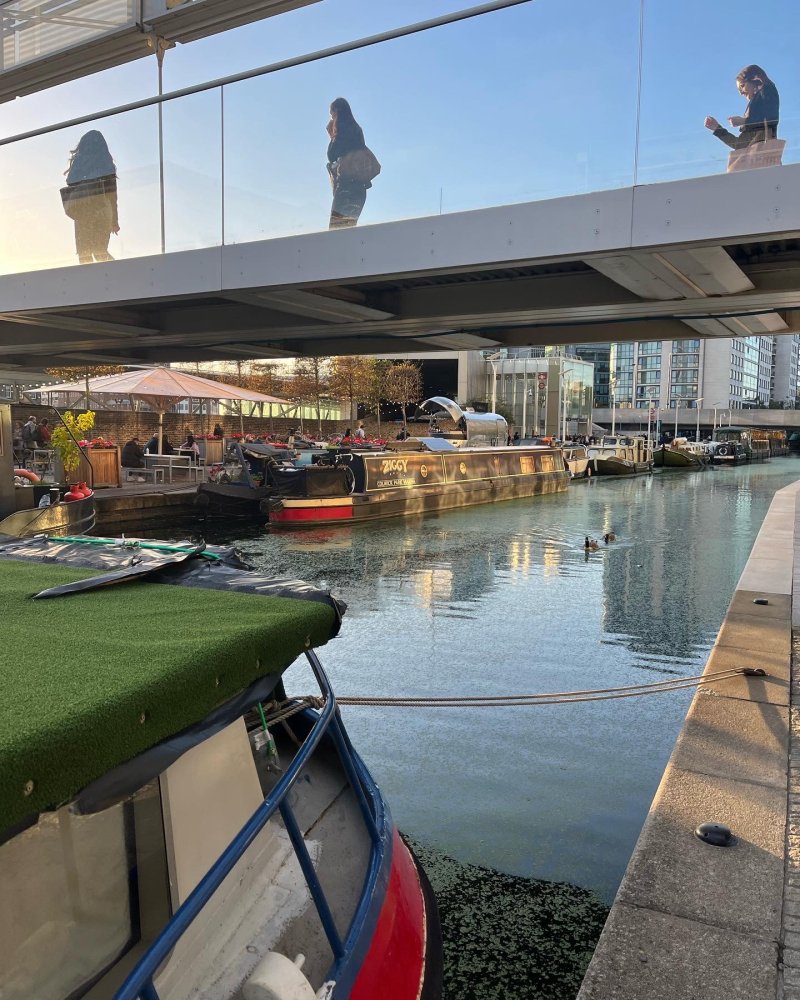
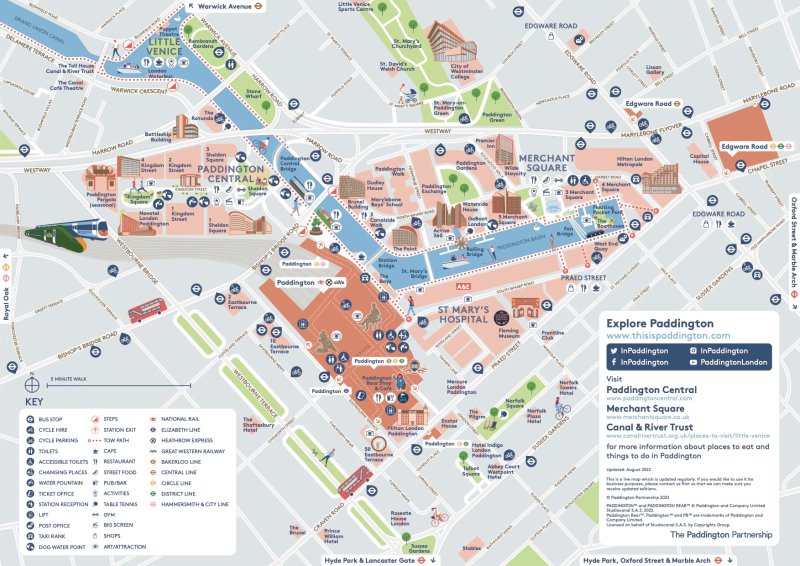
What is not apparent to those passing through the train station from one place to another is the delightful surrounds that have been redesigned and engineered in the district outside of the station.
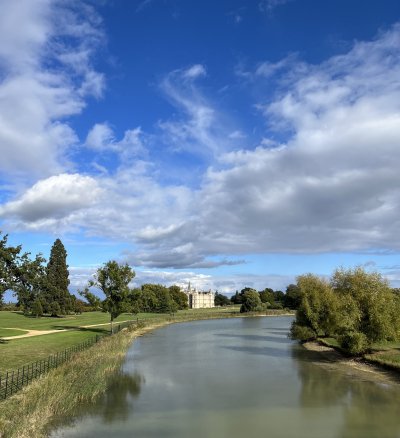
The Paddington Arm of the Grand Union Canal is one of London’s best kept secrets. Home to London's first floating pocket park, it connects Paddington to the main branch of the canal near Hayes, snaking through West London providing a green corridor for city folk and wildlife. It's a refreshingly peaceful area tucked away behind the train station and brimming with places to eat and drink and stay with super easy access to Heathrow. In fact, it's become a tradition for me on recent visits to the UK to drop my bags and anchor myself in the Paddington area for last few visits with London-based friends and family. I like the security of knowing all I have to do is hop on the Heathrow Express (or the new Elizabeth Line) and it'll drop me at Terminal 5 in 15 stress-free minutes.
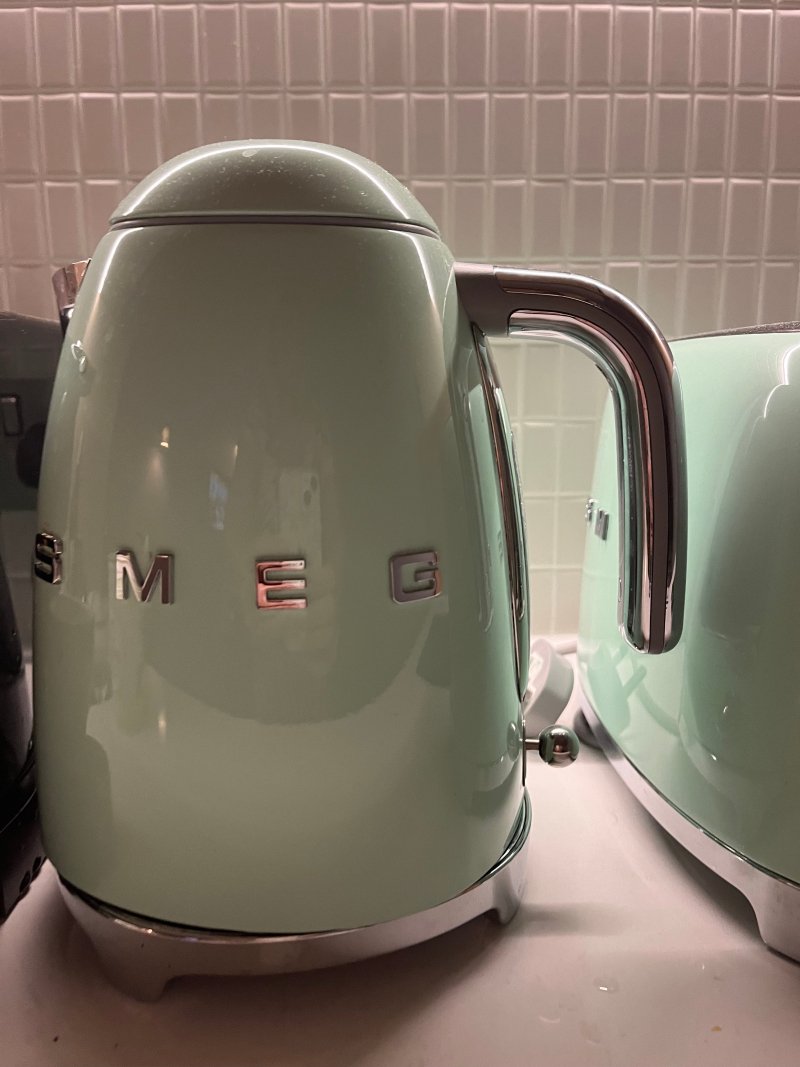
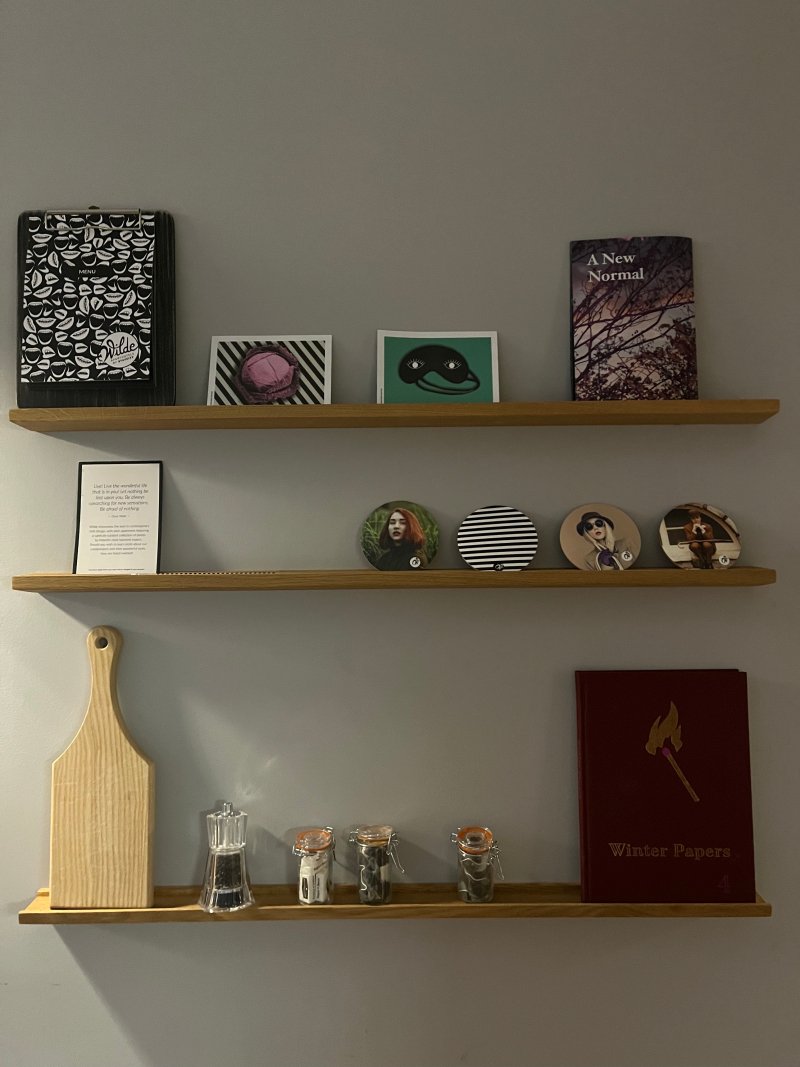
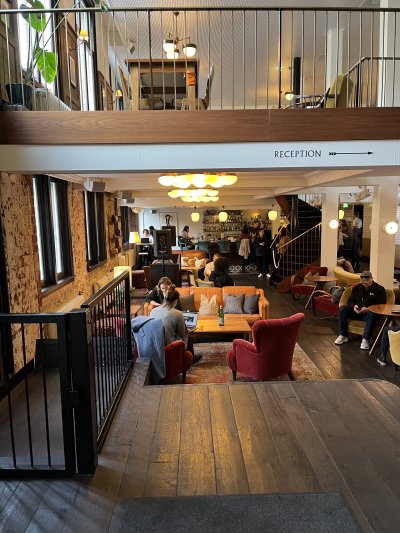
This October I stayed in a tiny serviced apartment right there close by the canal and a five minute walk into the station. I like a mini-kitchen, personally, when traveling. If you're headed to London for more than a few days, I recommend Wilde London Paddington serviced apartments. Thank you to my sister Kerry editor of the Britishtravellist for this keeper of a tio. This company has a modern edge and a great model for travelers who might like to use a gym and laundry room and pantry as well as in-room kitchen facilities. There are more locations in other cities and one in Covent Garden, too. Edgware Road tube and Paddington were easily accessible and provide access to the whole of London. Now that the tube station gates take an ApplePay swipe of the phone, there's no messing around with figuring out Oyster Card options and fees.





Comments