 History resides in quiet splendor at number 771 Magnolia Avenue, Larkspur, Marin County. In 1874 (French immigrant baker turned brickmaker) Claude Callot leased property from a large dairy rancher in Larkspur, named Patrick King. Claude started his own brickyard across the creek from the Biggins brickyard where he'd learned his new trade.
The industrious Frenchman dug clay from the hillside behind the buildings. This raw material was thrown into wooden molds to form bricks. Sand-struck bricks were fired in field kilns. By 1879, Claude had taken ownership of his brickyard property. By 1880, he had eight laborers manufacturing common red brick, some used locally, but most shipped from Ross Landing to rapidly developing San Francisco. Two million bricks per year were manufactured at the Callot Brickworks.
 According to California Bricks: "In 1881, Jean Escalle, a friend of Claude Callot, arrived from France to help out at (Claude's) brickyard. When demand for brick in the mid-1880s declined, the property turned to winemaking under Escalle. A popular inn and recreational resort was built on the property and a train station nearby was named for Escalle".
The Golden Gate Bridge wasn't built until 1937, so for many years, early San Franciscans visited Larkspur via boat to spend the day wine tasting in the fresh, country air.
An article in a 1962 edition of The Daily Independent Journal featured a detailed history of The Escalle Winery:
"The red and white wines produced there were sold at Escalle's own inn, and customers came by train and buggy to quench their thirst and enjoy themselves. Fine horses, like fine wines, were a point of pride with Escalle".
Latticed summer houses provided accommodations for resort visitors. "Jean Escalle and his expert assistants, including relatives from France once made their wines".
According to women's editor, Florence Donnelly: "Claude Callot had built a large home for his wife Ellen. In his stable he had two matched pairs of Clydesdale horses which he had bought in France. To care for the animals he sent for 23-year-old Jean Escalle, in 1881.
 After Claude's death, Jean married his widow, who was 15 years his senior. For several years he operated the brickyards and then decided he was more interested in vineyards and winemaking. Escalle mastered the art of making delicious red and white wines. About 20,000 gallons were made each year.
There was always a big celebration in July to mark the Fall of the Bastille and another in autumn, the vintage festival, when the winemaking was ended.The first Mrs. Escalle died in 1903 and a few years later Jean Escalle married a German girl, Wilhelmina Vogel.
Soon the German societies as well as French groups came to Escalle's Inn on weekends and holidays. Jean and Helma grew tired of running the inn and it was eventually leased or rented. However, Jean continued to make wine and delivered it in Sausalito, San Rafael and Tiburón in his horse-drawn buggy."
 The enactment of prohibition put an end to his wine sales in 1920 A year later Jean Escalle died. Helma died in 1930. The wine grapes were wiped out by grape pest phylloxera that devastated much of California wine country's early vineyards.
"Before prohibition", wrote Florence, "wine was made by many Marin residents, especially those who had come from Europe. In the fall wagons filled with grapes were unloaded and the wine presses clattered along the streets as they were moved from one home to another. The wine was poured into barrels for storage in the high basements. And the autumn air was heady with the fumes of new wine".
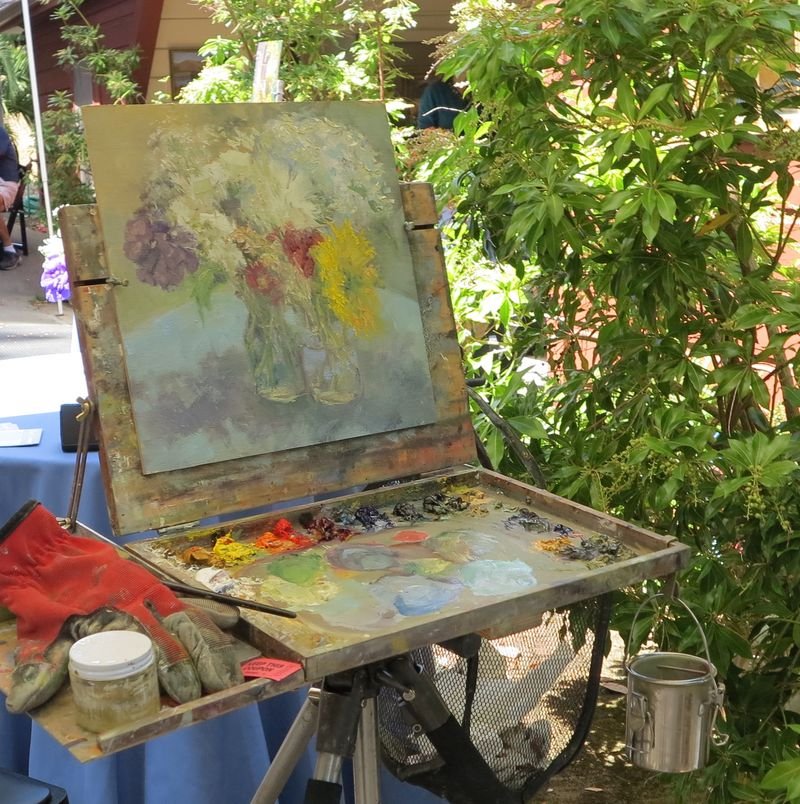
 Today, visitors return to historic grounds and beautiful redwood barns of Escalle Winery for special events such as an annual Marinscapes weekend long event that raises much needed funding for the crucial multi-county Buckelew Program. This well attended exhibition and sale of Marin County landscape art and photography features 30 artists of regional and national renown, also benefits the Family Service Agency of Marin and The Helen Vine Recovery Center.
 The property, a beautifully preserved private home and grounds is extraordinary — a little time portal into the past.


 Buckelew Programs’ mission is to enhance the quality of life of individuals and families in our communities by providing mental health and addiction services that promote recovery, resilience, and hope.
Though based in Marin and also working in Napa counties, Buckelew's program extends to Sonoma County with housing and a full time Family Service Coordinator who provides education, support, and other assistance to family members and others identified as support persons of adults and transition-aged youth with mental illness.
To learn more about Buckelew Programs click here.




Comments