Jayne Moye's August 2104 intro to Fodor's Travel 10 Best River Towns guide offers food for thought on the ongoing status of the jewel in the sadly shabby crown that is the Victorian ironfront downtown pedestrian area of the Petaluma River.
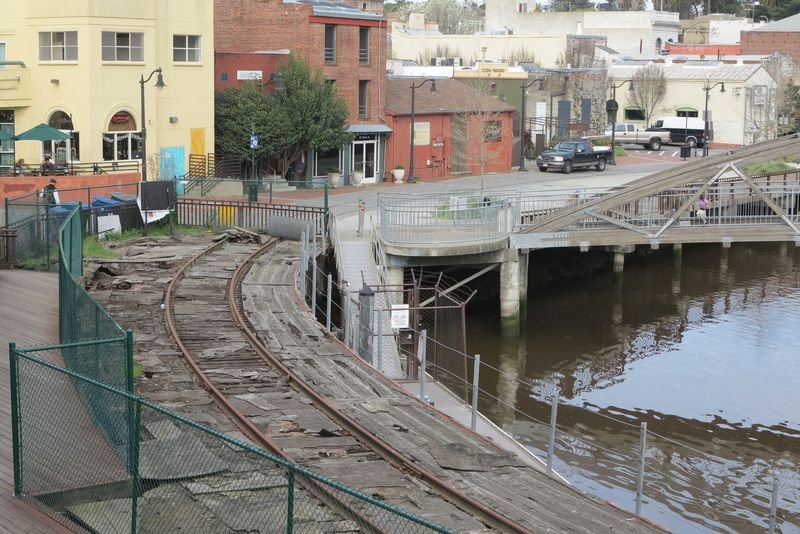
As we approach local elections here in Southern Sonoma County this November, let us not be so entirely focused on roads and railways and other rights of way that we forget the vital shot in the heart that restoration of the symbolic, old Santa Rosa and Petaluma Railroad Trestle would undoubtedly be.
Mayoral Candidate Mike Harris responded to my wondering about the current state of affars with Petaluma's Trestle Rehabilitation Project: "With the SMART train coming to town in 2016 and the Station Area Plan passed and an interest in a Floathouse in the turning basin, along with all of the Water Ways projects along the River planned," he replied, "this Trestle project is a natural piece of the revitalization of what we are trying to accomplish in that core area."
Mayor David Glass has not yet responded to my request for his take on the stalled Trestle Rehabilitation project, but I hope he does and I will update this post when I hear back.
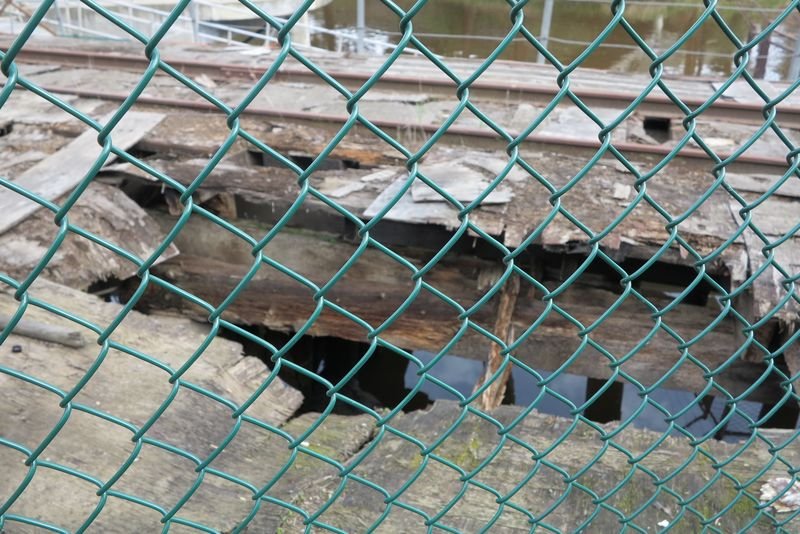 Let's take a look at our river town competition and why we need to re-energize our civic as well as people-powered efforts to restore our priceless, historic (fenced off) riverfront treasure that runs along the side of Petaluma River from the Yacht Club to the Balshaw Bridge.
"The best river towns in the U.S. have a natural exuberance, a playful energy not unlike the bubbling water that flows through them," wrote Moye in her compelling Fodor's feature. "Maybe it’s the towns’ proximity to the mountains, like beacons beckoning adventure, or the fact that river town residents live there by choice, not chance, having made quality of life, scenic beauty, and active outdoor pursuits like kayaking and whitewater rafting a priority. Then again, it could be the beer—microbreweries tend to open up near rivers, which provide a plentiful source of pristine water for making handcrafted brews".
Fodor's first selected Salida, Colorado, a former mining town, inhabited today by artists and athletes, home to the country's oldest whitewater festival that takes place on the mighty Arkansas River.
Missoula, Montana presides over the scenic Clark Fork River. Founded as a trading post, this mid-sized town has evolved into an outdoor sports mecca, in part, undoubtedly to the novel and film A River Runs Through It written by Missoula native Norman Maclean. "Besides the world-class fly-fishing and ample whitewater rafting, residents also enjoy hiking and biking, not to mention the progressive college-town mentality complete with a farmers market, a thriving arts and culture scene, a fierce sense of environmental stewardship and a half-dozen local craft breweries". Sounds somewhat familiar, doesn't it?
The Deschutes River remains the biggest attraction of beautiful Bend, Oregon. Flowing from deep inside the Cascade Mountain pine forests to the high desert haven of Bend, world-renowned fly-fishing, mountain biking, camping and hiking are big deals to tourists and locals alike, but it is the Deschutes River that puts Bend on the map.
Small town Talkeetna, Alaska is located at the confluence of three rivers: Talkeetna, Chulitna, and Susitna. Used as a basecamp for climbers attempting to scale the 20,237-foot Denali Mountain, Fodor's says: "What really makes Talkeetna special is its authentic frontier vibe—a National Historic Site with iconic landmarks like the Talkeetna Roadhouse and Nagley's General Store that really haven’t changed much at all since the early 1900s". Well, we have plenty of pioneer spirit here in Petaluma.
More of a city than a town, as is Petaluma, Boise, Idaho's 25-mile biking and walking path located along the river links 850 acres of parks and natural areas in the heart of the city. "Locals enjoy rafting, kayaking, tubing, fishing, and stand-up paddleboarding on the river, as well as using the path for alternative transportation (to, say, brewpubs like Tablerock and Highlands Hollow)", wrote Moye.
Tiny Tallulah Falls, Georgia: "takes its name from a series of six waterfalls that drop the Tallulah River 500 feet in one mile—a natural phenomenon made possible by the rocky chasm known as the Tallulah Gorge that the river runs through". Located in wine country of the southern tip of the scenic Blue Ridge Mountains, Tallulah Falls draws its regions best kayakers and whitewater rafters.
Petaluma River being in fact, a tidal slough, doesn't offer any whitewater excitement, but rowing and paddleboarding and other water sports are becoming increasingly popular on the historic waterway that once transported extensive boat loads of farm fresh food to the Gold Rush era Barbary Coast during its Victorian heyday.
Fodor's paints Asheville, North Carolina as the: "hipster of America's best river towns pulsing with an active, outdoorsy vibe that permeates everything from its farm-to-table restaurants to its work-hard, play-harder tech firms". We can do that here in Petaluma!
"Located in the Blue Ridge Mountains, at the confluence of the Swannanoa and the French Broad rivers, Asheville boasts 18 craft breweries—the highest number per capita in the nation," wrote Moye. Rafters and paddlers are spoiled for choice with three acclaimed rivers (French Broad River, Nantahala River, and Nolichucky River) offering a range of activities from family canoe outings to faster-moving whitewater.
A little closer to home, Kernville, California is located in the Sierra Nevada Mountains, where the town's namesake river is fed by snowmelt from Mount Whitney. Fodor's says it packs a fun, wildwest flair: "and is legendary for its voluminous whitewater." Its popular Kern River Brewing Company is owned by a group of Kayakers.
Positioned at the central cascade range of the rather chilly sounding Icicle and Wenatchee rivers, Leavenworth, Washington, is by Fodor's account: "the most unique river town in America". Modeled after a Bavarian village, its gingerbread house architecture was styled on mountain villages of the Alps. All sorts of river sports abound, alongside the attraction of area wineries and of course, craft Icicle Brewing Company.
If that's not enough of a competitor's visual, I don't think it can be emphasized enough that we're seriously lagging in our grasp of getting the ball rolling again, post recession, with our city's general plan in the downtown riverfront district.
There is so much to be gained in rebuilding the Trestle. Not only from a tourism perspective, but as a much-needed expansion for any number of annual festivals and fairs.
The City of Petaluma does not have the finances to fund what it believes would be a close to $5 million total rehabilitation project of the 500-foot-long 1922 wooden Trestle, closed off and considered a hazard since 1994 and currently owned by The Sonoma-Marin Area Rail Transit.
Back in 2010 the California Coastal Conservancy funded a $475,000 grant for the Trestle's initial rehab, apparently a mere tipping off point for this potential as a National Register of historic place candidate. Since then, not a lot has happened, except for a current "This Place Matters" (National Trust for Historic Preservation) campaign by Petaluma Trolley Living History Railway Museum's Chris Stevick and Trestle supporters that draws attention to dwindling civic efforts in that core location of the riverfront arena.
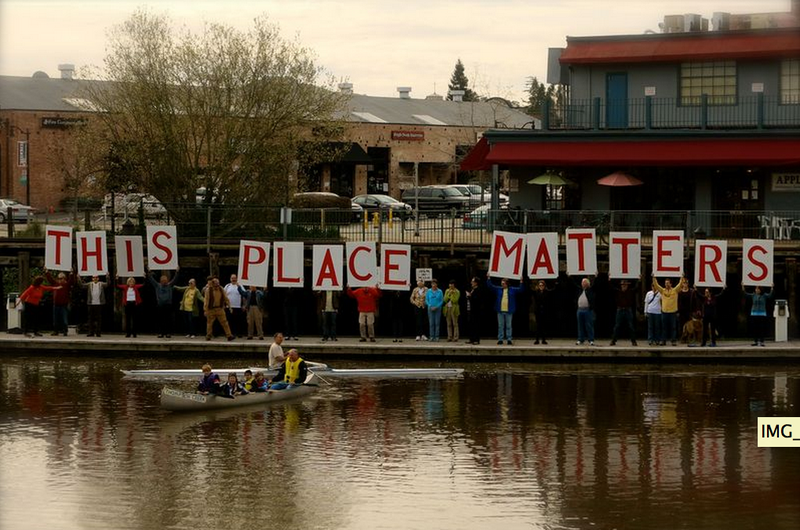 "Everything that the city says won't work, will work and Trestle rehabilitation can be accomplished for half of the city's estimation," says Stevick, challenging the city-appointed engineering findings and questioning how far Coastal Conservation grant instructions have been followed.
Stevick and fellow Trestle fans are reaching out to merchants and other business owners in the city's historic shopping district to add their voice to jump-starting this important project. Downtown's independent store keepers and restaurateurs being more involved in putting pressure on the city and the Smart train to tackle this crumbling treasure is likely key.
"We should first and foremost thank Christopher Stevick for all of his efforts over the years. His singular focus on this project and keeping it on the forefront is greatly appreciated", said Harris. Petaluma's Trolley can't be saved by a mere handful of folk. It is time that this major eyesore takes a more prominent role in the realization of the general plan through its rehabilitation and potentially great next chapter.


Comments